Nigeria continues to face persistent gaps in primary healthcare (PHC) performance despite multiple PHC reforms. The challenges are largely driven by weak governance, leadership, and management capacity, limiting the effective implementation of health policies and delivery of essential services, particularly in reproductive, maternal, newborn, child, and adolescent health and nutrition (RMNCAH+N) and gender-based violence (GBV).
To address this, the United Nations Children’s Fund (UNICEF) engaged DGI Consult to implement the Enhancing Leadership, Governance and Management Capacity (ELGMC) project as part of the EU-SARAH programme being implemented by UNICEF in collaboration with the United Nations Population Fund (UNFPA), with funding from the European Union.
The project is designed to strengthen the leadership, governance and management capacity of State Primary Healthcare Development Agencies (SPHCDAs) and other key institutions involved in RMNCAH+N and GBV in Adamawa, Kwara and Sokoto States. It responds to longstanding challenges in the health system, where limited institutional capacity has constrained the translation of policies into effective and equitable health outcomes.
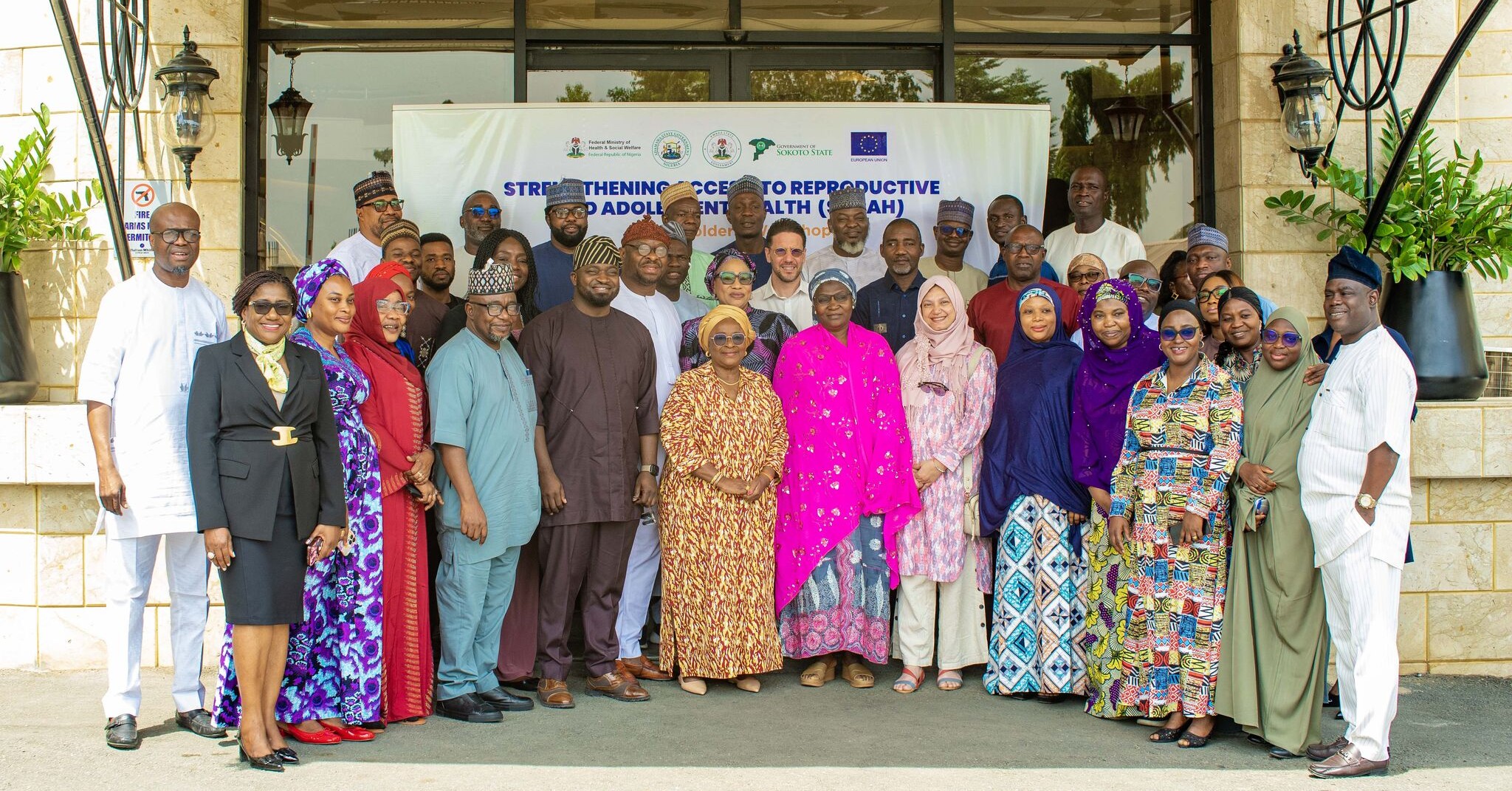
The project commenced with a high-level national stakeholder engagement workshop in Abuja, where UNICEF, UNFPA, DGI Consult, and national- and state-level stakeholders jointly reviewed and refined the project’s methodology, tools, and implementation approach, while securing stakeholder commitment and alignment on priorities.
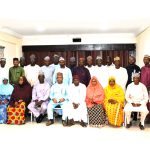
Following the national stakeholder engagement, DGI Consult organized entry stakeholder meetings across the three states, where government officials and other health sector actors validated project priorities, identified key governance and capacity gaps, and agreed on implementation modalities. These engagements also provided critical insights into each state’s RMNCAH+N context, coordination structures, and reform priorities.
A comprehensive baseline assessment of leadership, governance, and management capacity across the key institutions involved in RMNCAH+N and GBV is being conducted in the three states, using the organizational capacity maturity model. This will generate evidence on critical gaps and inform the design of targeted interventions to strengthen systems and improve service delivery outcomes using the tripod approach to capacity strengthening – technical and Leadership competency training, system and tool design and focus mentoring and handholding.
Ultimately, the ELGMC project aims to demonstrate a scalable model for strengthening leadership and governance in Nigeria’s health sector, supporting ongoing reforms and accelerating progress toward improved PHC outcomes and universal health coverage.

Comments are closed.